
IU study shows: Gen Z in particular wants to be financially independent
A representative survey by IU International University of Applied Sciences reveals the state of financial well-being in Germany.
The new representative survey by IU International University of Applied Sciences reveals the state of financial well-being in Germany.
- Financial independence is one of the most important goals for more than half of the people living in Germany – Gen Z mentions it most frequently.
- Gen Z is comparatively often influenced by social media and makes more spontaneous purchases.
- When it comes to personal finances, Gen Z most often expresses hope, while Gen Y shows frustration more often than other generations.
Erfurt, Germany, 18 November 2025. Young people in Germany in particular strive for financial self-determination, as shown by the new representative study "Financial Well-Being: The Current Mood in Germany" by IU International University of Applied Sciences. At 66.7 per cent, financial independence is the top priority for Gen Z (16- to 30-year-olds) when it comes to financial goals – a higher figure than the overall average (58.9 per cent), where this goal also ranks first.
In second place among all respondents is pension provision, at 51.4 per cent. This is followed by the fulfilment of personal wishes and life goals, such as travelling the world (41.8 per cent), and freedom – for example, the desire to no longer have to work (31.8 per cent).
Compared to other generations, Gen Z particularly often pursues financial goals that are aimed at personal freedom and individual lifestyles: in addition to financial independence, these are comparatively often the fulfilment of wishes and life goals (58.4 per cent), freedom (34.1 per cent), buying a house (34.3 per cent) and spending on education (26.5 per cent).
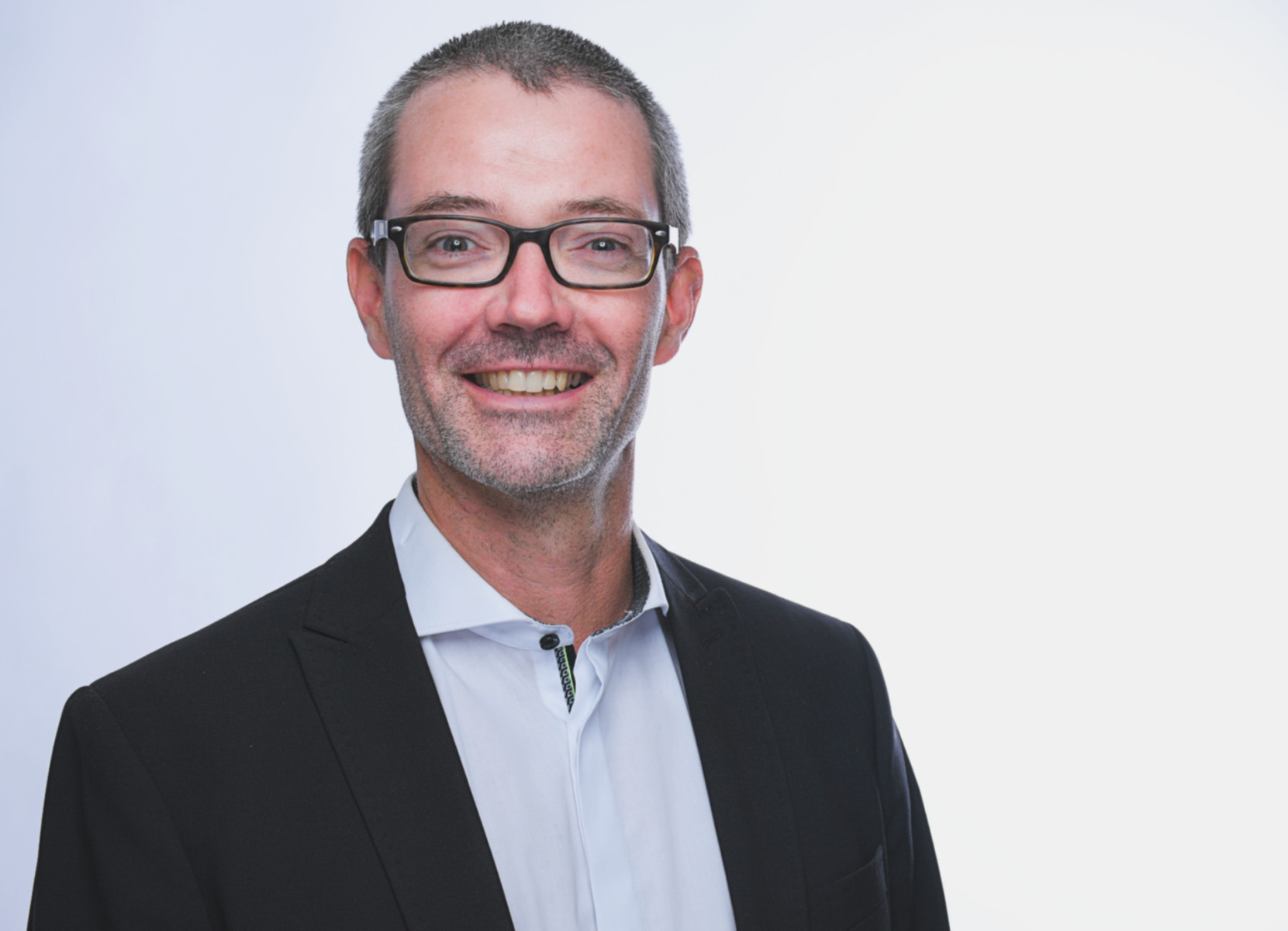
“The results clearly show that financial independence is an important goal for many people. It is also clear that the prevailing mentality of working full-time until the age of 67 is no longer the norm. Generation Z in particular is fundamentally changing our understanding of money: for them, finances are not a necessary evil, but an essential tool for leading a self-determined life. Politicians and the financial sector must finally acknowledge this reality”, explains Johannes Treu, Professor of General Business Administration and Economics at IU International University of Applied Sciences and expert on the study.
Gen Z between influencer influence and impulse buying
The IU study also shows that young people in Germany are significantly more likely to be influenced by social media. 21.2 per cent of Generation Z agree completely or somewhat with the statement: “My financial decisions are influenced by what I see on social media about lifestyle and shopping.” This means they are more than twice as likely to say they are influenced by platforms such as TikTok, Instagram or financial influencers than Gen X (46- to 60-year-olds, 10.0 per cent) and baby boomers (61- to 65-year-olds, 9.3 per cent).
At the same time, spontaneous spending – especially among younger people – more often thwarts long-term financial goals. For example, 27.8 per cent of Gen Z and 24.2 per cent of Gen Y strongly agree or somewhat agree with the statement: “I often spend money without thinking, even though I actually wanted to save it for long-term financial goals.” Among baby boomers, the figure is 13.7 per cent – less than half that of Gen Z.
Personal circumstances also play a greater role in financial decisions, especially among Gen Z: 54.5 per cent of 16- to 30-year-olds say that role models from their family or circle of friends support them in handling money responsibly. This influence decreases significantly with increasing age among respondents.
Gen Z hopeful, Gen Y more frustrated
The study also reveals clear differences between the generations in terms of the emotions they associate with their personal financial situation: Gen Z most often expresses hope for their financial future (26.9 per cent), while Gen Y comparatively often feels frustration (21.4 per cent). For baby boomers, serenity ranks first (29.6 per cent).
Economic situation and retirement provisions cause concern
The results of the IU study also show that the overall mood in society remains tense: more than half (56.3 per cent) agree completely or somewhat with the statement that “the current economic situation in Germany is a cause for concern.” If the “partly yes, partly no” answers are included, as many as 87.6 per cent of all respondents feel economic uncertainty.
Added to this is the fear of poverty in old age: almost one in two (49.7 per cent) fear that they will not be adequately provided for in old age.
“When every second person in Germany is concerned about their economic situation and financial security in old age, it is more than just a reflection of the mood – it is a warning sign. Inflation, uncertainty about future pensions and the fear of a declining standard of living are among the biggest stress factors today and have a massive impact on financial well-being,” says Treu.
Overall, it is clear that there is still considerable room for improvement in the financial well-being of people in Germany. On average, only 52.6 out of a possible 100 points are achieved. This is according to the results of the IU study, which used the OECD’s Financial Well-Being Toolkit¹.
¹ The OECD Toolkit for Financial Literacy and Financial Inclusion is a tool developed by the OECD (Organisation for Economic Co-operation and Development) to assess and compare financial well-being in different countries.
The overall score of ø 53 points (max. 100) determined in the IU study is based on two dimensions:
• Objective financial well-being: ø 30 points (out of 50)
• Subjective financial well-being: ø 23 points (out of 50)
About the study
The study “Financial Well-Being: The Current Mood in Germany” by IU International University of Applied Sciences examines the financial worries and challenges that burden people and the goals that drive them.
For the IU study, 2,000 people in Germany aged between 16 and 65 were surveyed, representative by age and gender. The survey took place from 12 June to 23 June 2025.
The complete study is available at the following link: https://www.iu.de/en/research/studies/iu-study-financial-wellbeing/
With over 120,000 students, IU International University of Applied Sciences (IU) is the largest university in Germany. The private, state-recognised educational institution, based in Erfurt, began teaching in 2000 and now has 24 campuses as well as a virtual campus. IU stands for maximum flexibility in study: whether through dual study, distance learning or on campus – students from over 160 nations tailor their educational path to suit their individual circumstances. With more than 200 degree programmes at bachelor’s, master’s and MBA level, IU imparts practical skills. Innovative learning concepts foster targeted, future-proof skills for an increasingly AI-driven world of work. A modern, digitally supported learning environment and the use of artificial intelligence enable effective, personalised learning. As a pioneer in this field, IU has developed its own digital learning companion, ‘Syntea’, which has been in use since 2023. A network of over 15,000 companies – including Motel One, Vodafone, AWO and Deutsche Bahn – makes IU a strong partner in the training of skilled workers and consistently links academic teaching with practical experience. Further information at: iu.org
Contact

|
IU International University of Applied Sciences Press Department |