
Study: Travel behaviour of students at Christmas time
Research project at IU International University of Applied Sciences Hannover provides insights for Lower Saxony
How do students in Lower Saxony spend the Christmas season? Which travel destinations do they prefer? These and other questions were examined by dual study students in the Tourism Management programme as part of a research project at IU in Hanover.
- More than half (52.7 per cent) of the students surveyed do not travel for Christmas.
- The respondents spend an average of 110 euros on their Christmas trip in 2024.
- Teleportation would be the preferred mode of transport if they had the choice.
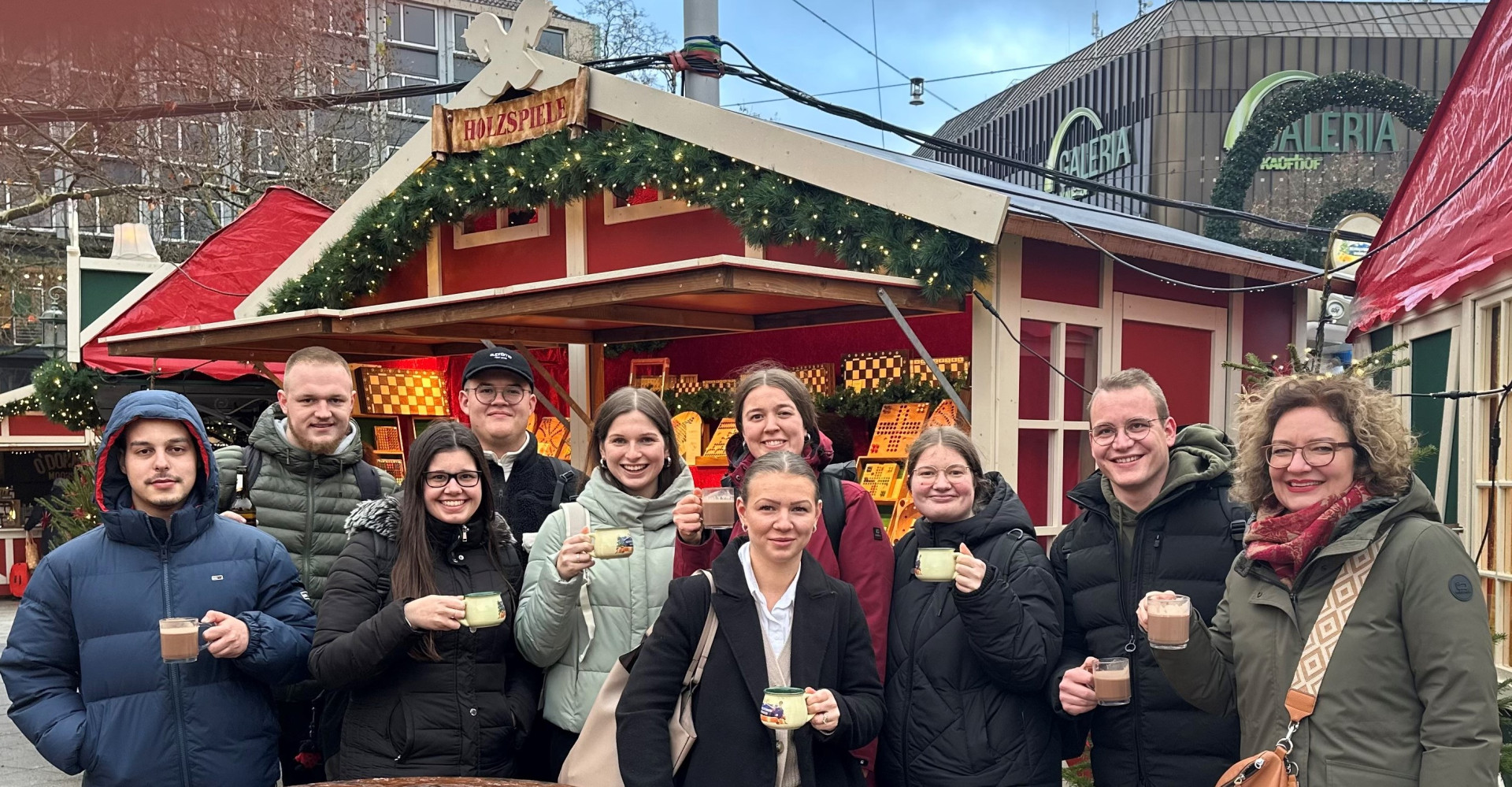
Hannover, 19 December 2024. How do students in Lower Saxony spend the Christmas season? Which travel destinations do they prefer? And what mode of transport would they choose if anything were possible? These and other questions were examined by dual study students in the Tourism Management programme as part of a research project at IU International University of Applied Sciences (IU) in Hanover. The results of the study, conducted in the module “Applied Market Research in Tourism” under the guidance of Prof. Dr Ina zur Oven-Krockhaus, provide insights into the travel behaviour of young people in Lower Saxony.
Tradition prevails over wanderlust
The results of the study show that Christmas remains a traditional celebration for students in Lower Saxony. More than half (52.7 per cent) of the respondents do not travel at Christmas but stay at home. For those who do travel, cities (31.7 per cent), destinations in colder regions (24.6 per cent) and visiting family (18.6 per cent) are the top three choices. Trips tend to be short, with 25.5 per cent lasting only 4 to 7 days. Longer trips are significantly less common among students. IU student Benita Kalms, who participated in the research project, explains: “Lectures and exams start immediately after Christmas, leaving students little time for extended trips during the festive season.”
Faster, not greener travel
Cars, whether their own or borrowed, are the preferred mode of transport for 77.7 per cent of respondents. Convenience and time-savings are the main decision factors. Sustainability, on the other hand, plays a subordinate role for many students when choosing a means of transport. Only 36.9 per cent opt to travel by train or public transport.
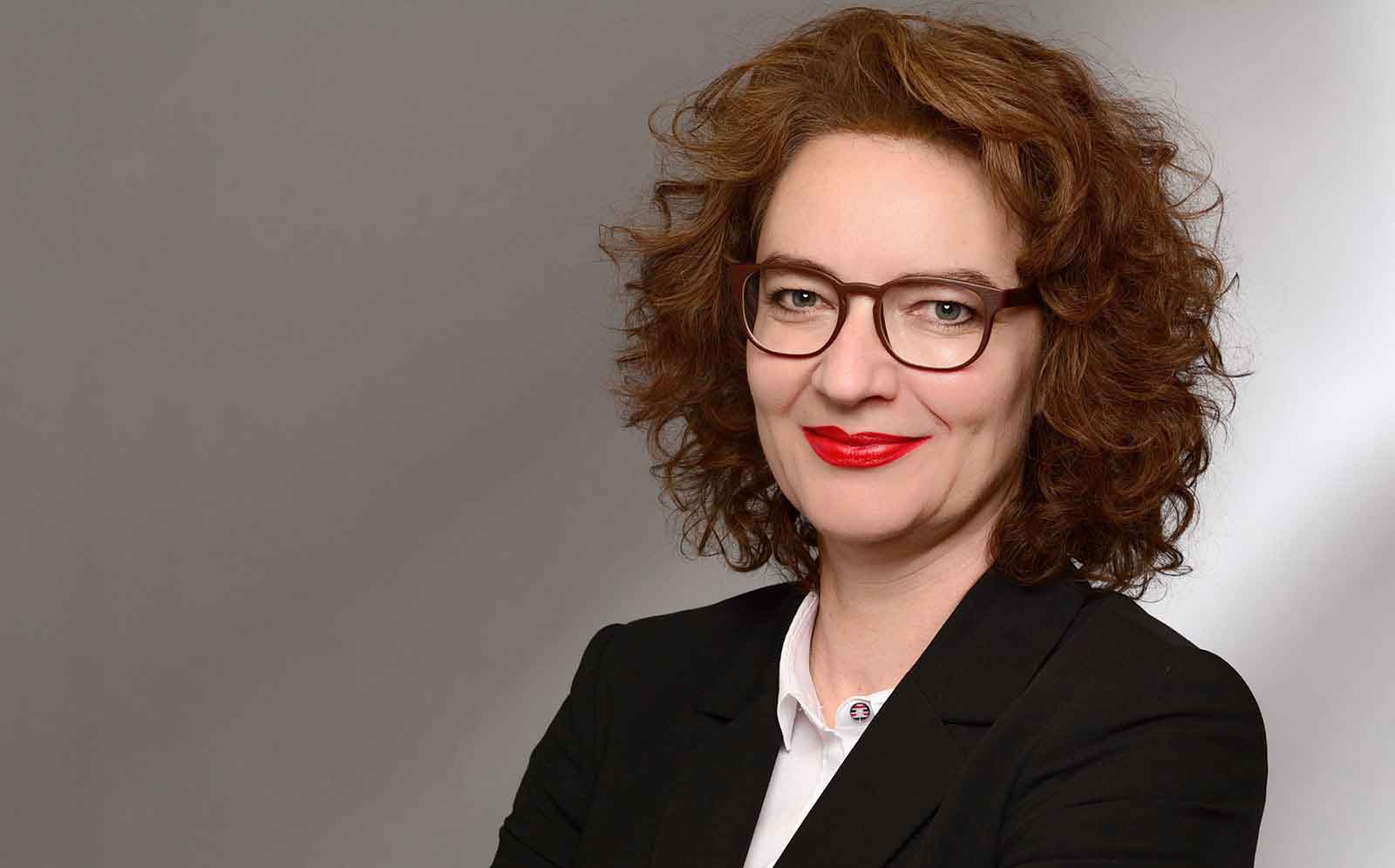
Nevertheless, the study shows, with a touch of humour, that innovative and futuristic mobility concepts spark great interest: “My students wanted to lighten up the survey and included a humorous additional question, which led to interesting results : 40.2 per cent of those surveyed mentioned teleportation as their dream mode of transport for the Christmas period, followed by Santa's sleigh with 24 per cent,” explains Prof. Dr Ina zur Oven-Krockhaus, head of the course. “This creative approach enlivened the lecture and students an opportunity to gain hands-on experience with quantitative research.”
Budget-conscious travel
When planning their trips, students are influenced primarily by their personal financial situation. They are not particularly concerned about factors such as inflation, war or the global political situation. “With an average budget of 110 euros for a Christmas trip, it is clear that many of us either stay at home or prefer short, affordable trips for financial reasons,” says IU student Benita Kalms. “For those planning a longer trip, the average spend is 610 euros.”
Students conduct practical research
The research project is a prime example of how practice-oriented the study programme at IU International University of Applied Sciences is designed. The aim of the study was to collect scientifically sound data on a current topic, allowing participants to apply their theoretical knowledge of market research in practice. “We place great emphasis on enabling our students to gain research experience and experiment with innovative approaches,” stresses zur Oven-Krockhaus.
With the research project, the prospective tourism experts were not only able to deepen their knowledge, but also to contribute to a current topic.
ABOUT THE STUDY
The research report ‘Travel behaviour of students at Christmas time’ was created by students of IU International University of Applied Sciences in Hannover. It examines questions regarding the destination, motivation and factors influencing the travel behaviour of students during the Christmas season. The results are based on a sample of 188 enrolled students at colleges and universities in Lower Saxony in the winter semester 2024/25 and are therefore not representative, but they do provide valuable insights into the topic. The survey took place between 22 and 29 November 2024.
If you have any questions about the results, please contact Prof. Dr Ina zur Oven-Krockhaus by email: ina.zok@iu.org
ABOUT THE TOURISM MANAGEMENT DEGREE PROGRAMME
From sustainability to tech and AI in tourism, from managing hotels to marketing entire holiday regions – the Tourism Management degree programme at IU International University of Applied Sciences is the ticket to a varied and exciting career in the tourism industry. Solid business knowledge and a focus on customer contact and creating customer experiences on a digital future path enable the management of tourism businesses along the customer journey: travel inspiration, travel booking, transport, accommodation, destination and events. The Tourism Management bachelor's degree can be studied in different forms: as a dual study programme in 38 German cities, completely online via distance learning, or hybrid via myStudium. For more information, visit: https://www.iu.de/en/bachelor/tourismusmanagement/
With over 120,000 students, IU International University of Applied Sciences (IU) is the largest university in Germany. The private, state-recognised educational institution, based in Erfurt, began teaching in 2000 and now has 24 campuses as well as a virtual campus. IU stands for maximum flexibility in study: whether through dual study, distance learning or on campus – students from over 160 nations tailor their educational path to suit their individual circumstances. With more than 200 degree programmes at bachelor’s, master’s and MBA level, IU imparts practical skills. Innovative learning concepts foster targeted, future-proof skills for an increasingly AI-driven world of work. A modern, digitally supported learning environment and the use of artificial intelligence enable effective, personalised learning. As a pioneer in this field, IU has developed its own digital learning companion, ‘Syntea’, which has been in use since 2023. A network of over 15,000 companies – including Motel One, Vodafone, AWO and Deutsche Bahn – makes IU a strong partner in the training of skilled workers and consistently links academic teaching with practical experience. Further information at: iu.org
Contact

|
IU International University of Applied Sciences Press Department |