
IU establishes new institute for practice-oriented research on radicalisation and prevention
With the new ZRP Institute, IU is sending a strong signal for democratic values and against extremism
With the new ZRP Institute, IU is sending a strong signal for democratic values and against extremism.
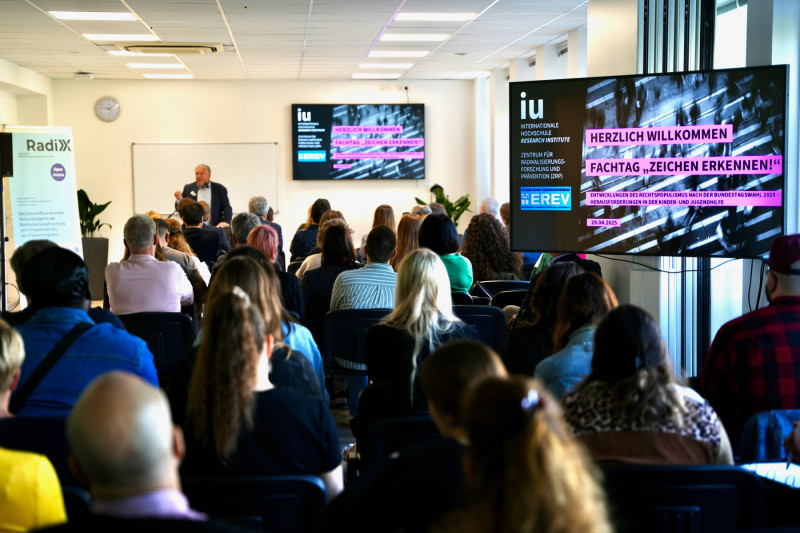
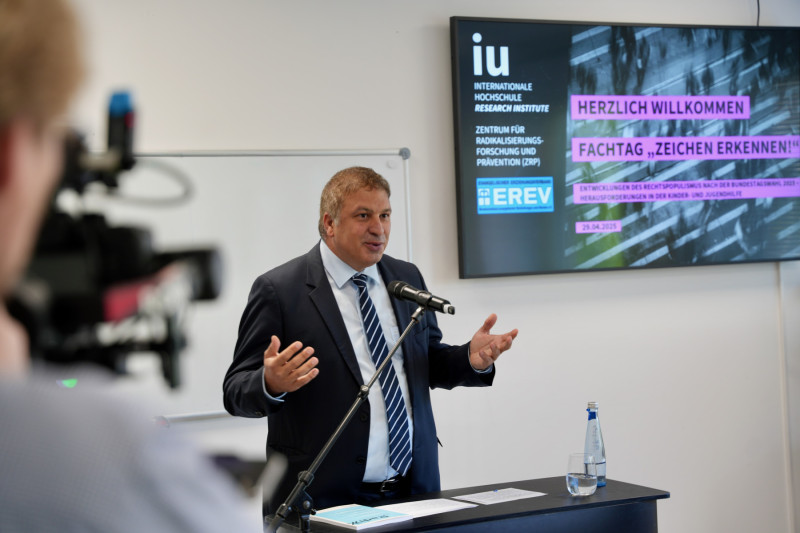
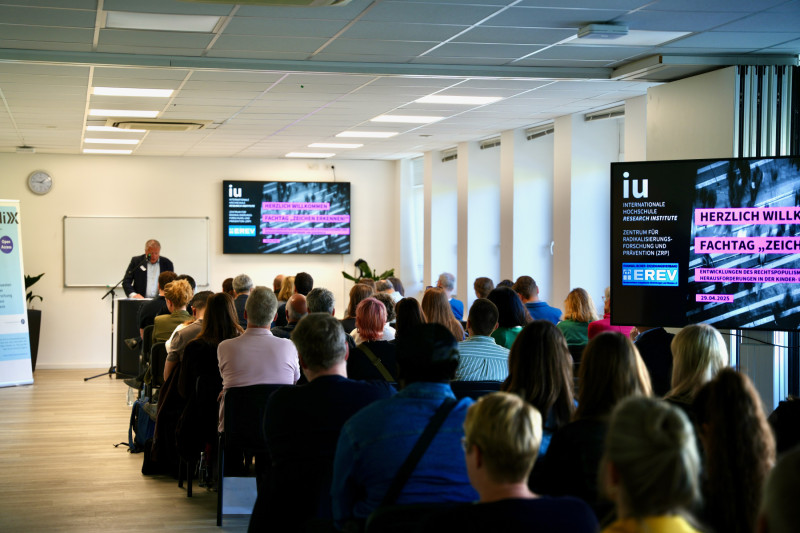
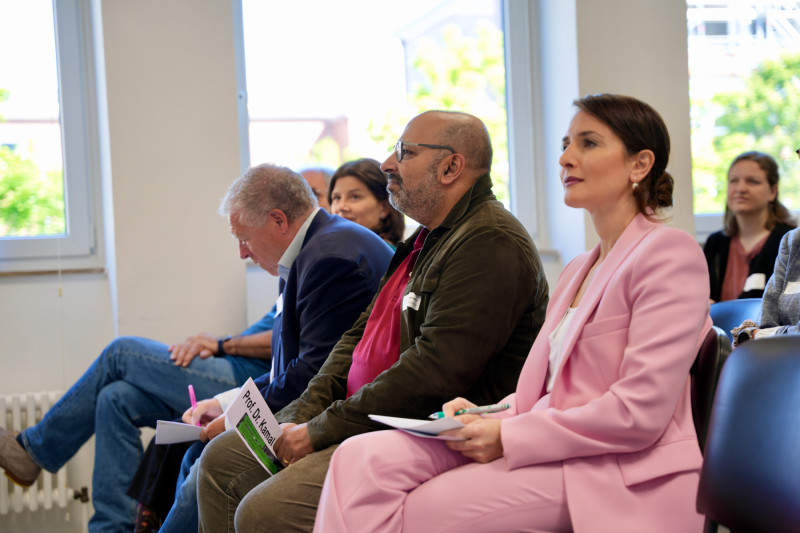
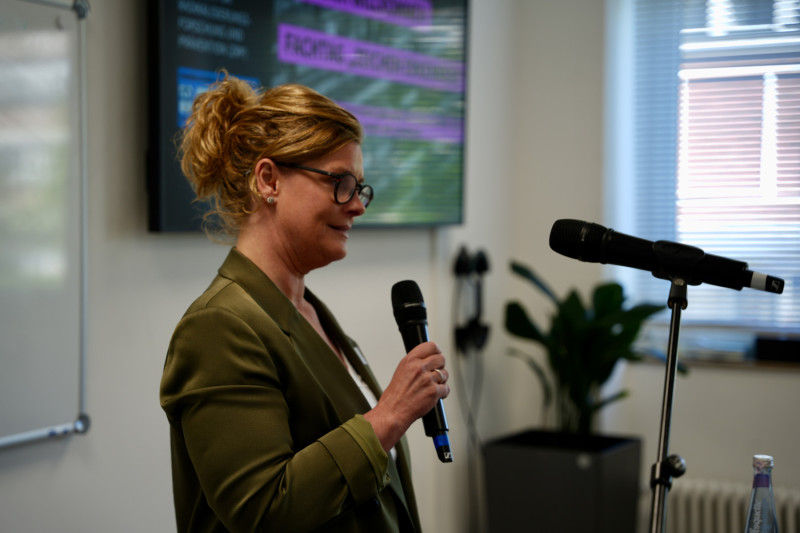
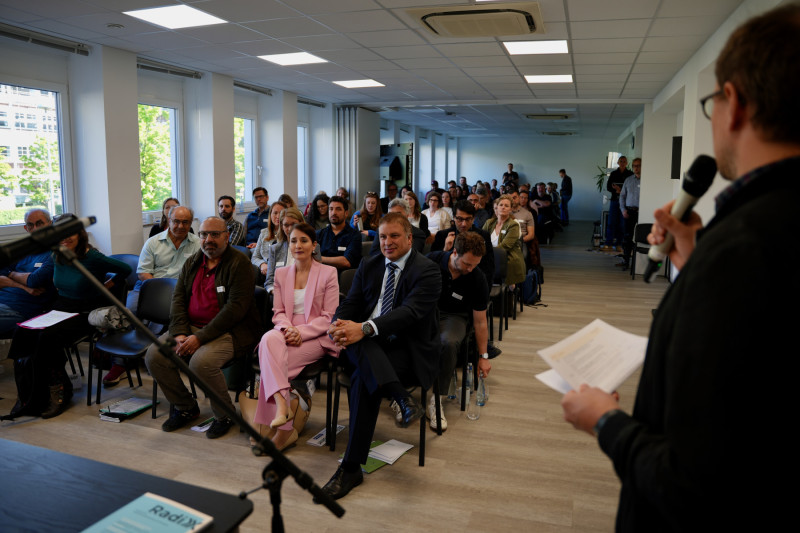
Essen, 30 April, 2025. On 29 April, IU International University of Applied Sciences (IU) founded the Centre for Radicalisation Research and Prevention (Zentrum für Radikalisierungsforschung und Prävention, ZRP) as an independent institute on its campus in Essen. With a joint symposium that brought together leading researchers and experts from across Germany, the ZRP and the Evangelischer Erziehungsverband e.V. (EREV) kicked off the institute's work.
This sends out a strong signal: Scientific research is to play an even greater role in the fight against anti-democratic and extremist movements in the future. The ZRP sees itself as a practice-oriented, interdisciplinary institute in the field of social work with a unique profile in the research landscape. The ZRP's research aims to shed light on blind spots in the field of radicalisation and to develop reliable, evidence-based recommendations for action for politics, administration and individual professional fields. The aim is to actively incorporate the findings into prevention work in order to meet current challenges with new concepts.

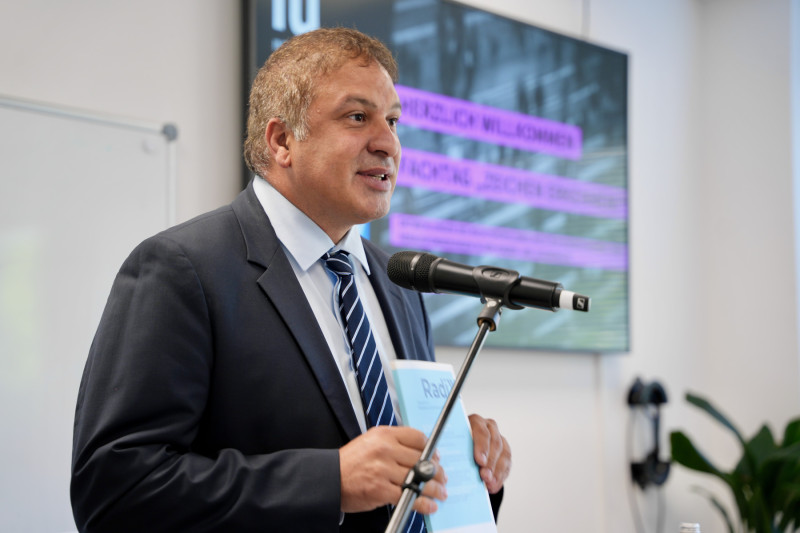
Prof. Dr Burak Çopur, Head of the Institute: "We deliberately chose the Ruhr region as the location for the Institute: The region stands for social diversity, urbanity and structural challenges like no other. With its excellent team of researchers, the institute is the first of its kind in North Rhine-Westphalia with a decidedly practical focus - and complements the existing research landscape in the field of radicalisation and prevention with an urgently needed, practice-oriented social work perspective."
The importance of this step was also emphasised by State Secretary Gonca Türkeli-Dehnert (Ministry of Culture and Science of North Rhine-Westphalia), who was present at the symposium:

"The rise of far-right and anti-democratic movements is an appeal to our social responsibility. We must strengthen democratic resilience and, above all, empower children and young people at an early age to critically question radical slogans and attitudes. The Centre for Radicalisation Research and Prevention helps us to make the findings from this interdisciplinary field of research usable in everyday life. I am therefore delighted that the ZRP is now an institute in North Rhine-Westphalia. and sends out a clear signal in support of democracy."
Prevention and research as a bulwark against extremism
The increasing radicalisation in parts of society poses a serious threat to social cohesion and the basic democratic order. The events of last year and this year highlight the urgency of scientifically sound analyses and preventative strategies: The revelation of right-wing extremist deportation plans in Potsdam, Islamist demonstrations with calls for a caliphate in Hamburg and Essen, the Islamist-motivated attack on Pegida activist Michael Stürzenberger and the deadly attacks in Mannheim, Magdeburg and Aschaffenburg. These incidents have further inflamed the already heated debate on migration, security and social integration.
Accompanying symposium on the founding of the institute
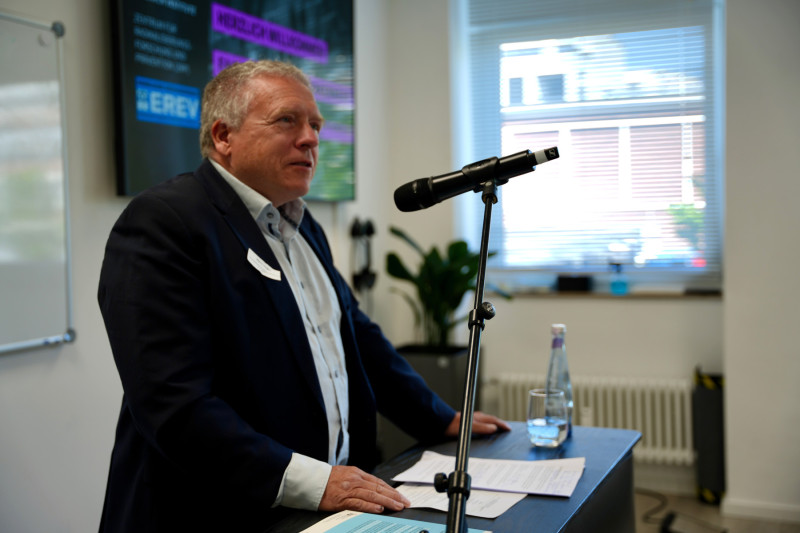
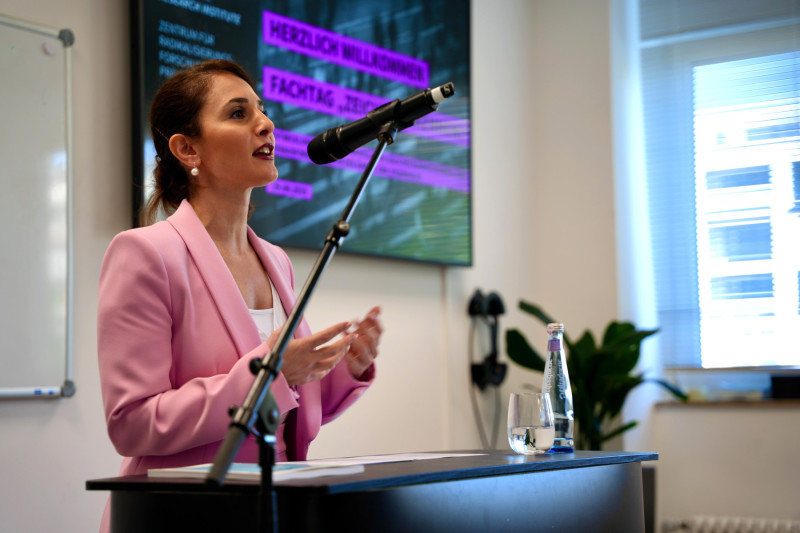
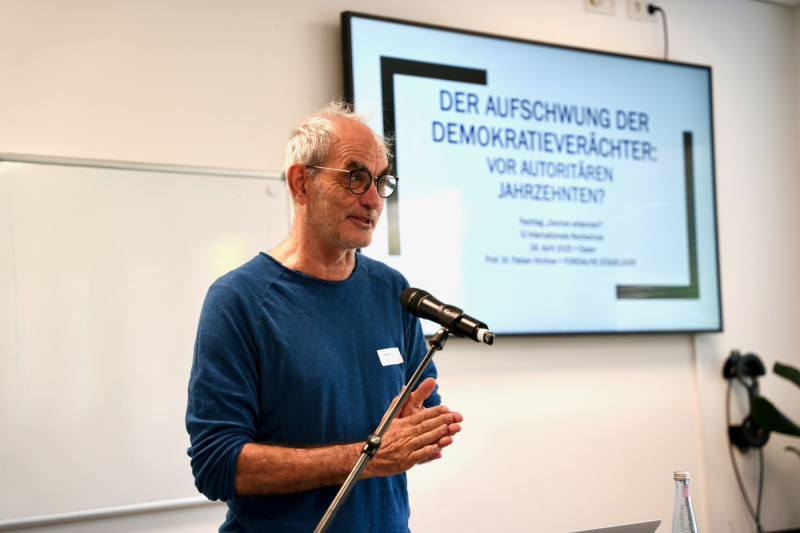
As part of the founding of the institute, the ZRP organised a symposium at the Essen campus in cooperation with the Evangelischer Erziehungsverband e.V. (EREV). The ZRP team brought together renowned academics and practitioners on the topic of "Recognising the signs! Developments in right-wing populism after the 2025 federal elections - challenges in child and youth welfare". A varied programme awaited the guests and expert audience. The focus was on practice-oriented workshops on social media in radicalisation dynamics, recognising and dealing with right-wing extremist attitudes in families and victim protection, supplemented by space for discussion and networking.
The event was an example of close cooperation between research and specialist practice - and showed that concrete solutions and joint action are possible and necessary.
"With the symposium on the founding of the ZRP Institute, we were able to highlight how important it is to recognise warning signs early on and to find ways and answers to counter right-wing populism and radicalisation together with specialist practice and research”, emphasises EREV.
Institute's founding strengthens strategic planning and operational effectiveness
Back in 2022, a nationwide network of scientists was formed within IU International University of Applied Sciences to counter these alarming developments with an interdisciplinary and practice-oriented research approach. This network has now emerged as the ZRP Institute - funded by IU and based at the Essen campus. In view of the growing social challenges, interdisciplinary research work is now being given an institutional framework and substantially strengthened. The establishment of the institute today goes hand in hand with a structural upgrading of the research work. With better personnel and financial resources, the ZRP will gain strategic planning and operational clout. Projects that have already been promised focus on topics such as anti-Semitism, religiously motivated extremism, ultra-nationalism and (de)radicalisation in the youth context.
The ZRP combines research, responsibility and social resilience
The successes to date underline the dynamism of the research institute. The ZRP takes an interdisciplinary approach to its research, incorporating specialist perspectives from social work, political science, criminology and education, as well as methodological diversity. Using their specialist expertise and practical knowledge, ZRP researchers analyse the causes and dynamics of radicalisation processes - for example in the family environment, in schools, in the digital space or in civil society contexts. The work is intercultural and multilingual, both nationally and internationally, for example in cooperation with the University of Vienna. The focus is also on evaluating existing exit and advisory programmes. The aim is to broaden the research of radicalisation and provide concrete concepts for prevention, intervention strategies and political recommendations for action.
Knowledge transfer is a central task: research findings flow directly back into practice in training courses, workshops, studies and seminar concepts. With the ZRP, IU is specifically positioning itself as a university that takes a stand - and assumes social responsibility in the areas of education and research.
Further information on the ZRP and the research team
- Download press kit
- https://www.iu.de/forschung/projekte/forschungsinstitut-zrp/ (currently only in German)
With over 120,000 students, IU International University of Applied Sciences (IU) is the largest university in Germany. The private, state-recognised educational institution, based in Erfurt, began teaching in 2000 and now has 24 campuses as well as a virtual campus. IU stands for maximum flexibility in study: whether through dual study, distance learning or on campus – students from over 160 nations tailor their educational path to suit their individual circumstances. With more than 200 degree programmes at bachelor’s, master’s and MBA level, IU imparts practical skills. Innovative learning concepts foster targeted, future-proof skills for an increasingly AI-driven world of work. A modern, digitally supported learning environment and the use of artificial intelligence enable effective, personalised learning. As a pioneer in this field, IU has developed its own digital learning companion, ‘Syntea’, which has been in use since 2023. A network of over 15,000 companies – including Motel One, Vodafone, AWO and Deutsche Bahn – makes IU a strong partner in the training of skilled workers and consistently links academic teaching with practical experience. Further information at: iu.org
Contact

|
IU International University of Applied Sciences Press Department |