
IU research shows: Older people learn how to handle money primarily in everyday life and within the family
The research project “FinBiSen – Financial Education of Seniors” at IU International University of Applied Sciences investigated how older people acquired their knowledge about money and what educational opportunities they desire.
- Financial knowledge through experience: Older people learn how to handle money primarily through life experience and interaction with others.
- Safety takes priority: Those surveyed rely on reserves, avoid risks that are difficult to assess, and want advice without sales interests.
- Establish financial literacy early: Many respondents want mandatory educational programs in schools and universities to prepare younger generations for financial decisions.
Erfurt, 27 October 2026. Those who are retired today have spent decades making financial decisions, signing contracts, paying off loans, and saving for retirement. Hardly any of them have attended a course on these matters. The research project "FinBiSen – Financial Education for Seniors" at IU International University of Applied Sciences investigated how older people acquired their financial knowledge and what kind of educational opportunities they would like to see. Twenty people aged 60 and over were interviewed between October and November 2025.
Learning through experience and exchange with others
Financial knowledge is almost never acquired in a seminar room. Those interviewed primarily report on experiences from their own lives, often when they faced a concrete decision or had to adjust to a new situation, such as receiving their first paycheck, starting a family, buying a house, or after significant life changes. Courses and seminars on financial education, on the other hand, played hardly any role in their accounts.
Family is also considered to play an important role: family members pass on experiences, make financial decisions together, or divide the tasks among themselves.
Banks, savings banks, and tax advisors are also important points of contact. Many value them as reliable partners for decades. While many respondents perceive tax advisors as independent, some express doubts as to whether banks always act in the best interests of their clients.
Life changes shape how we deal with money
Decisions concerning home ownership were particularly influential. Buying a house, taking out a loan, and repaying it presented many respondents with significant financial challenges.
For people from East Germany, the social and economic upheaval of 1989/90 was also a significant experience. Job losses, career changes, and new forms of retirement provision necessitated confronting previously unfamiliar financial issues. Becoming self-employed, retirement, and changes within families also influenced how the respondents managed their money.
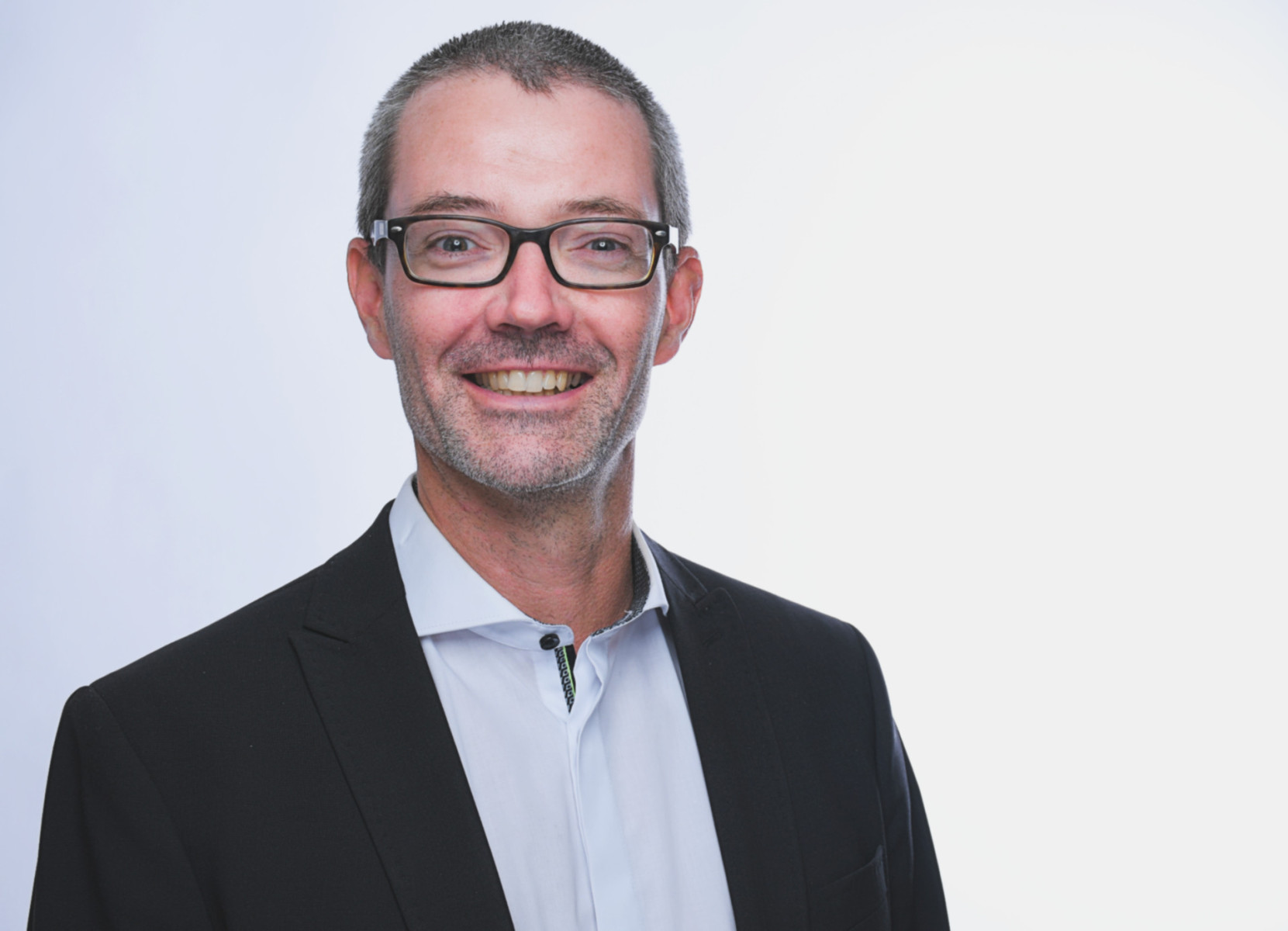
“It’s paradoxical that people have to make important financial decisions without having systematically learned how to manage money. Whether it’s about securities, the risk-return ratio, or funded retirement savings: financial education shouldn’t be left to chance. We need more concrete educational programmes that empower people to make informed and independent financial decisions – in schools and beyond,” says Prof. Dr Johannes Treu, Professor of General Business Administration and Economics at IU International University of Applied Sciences and Head of the Research Project.
Safety is especially important
One finding emerges from many interviews: Respondents place great value on financial security. They build up savings, handle money carefully, and avoid investments whose risks they cannot assess. Some worry that they will find it difficult to compensate for financial losses in old age.
At the same time, many people want to make their own financial decisions. Their own experience gives them a sense of security. If they are willing to take a financial risk, it is important to them to fully understand the investment and its potential consequences.
Advice and education should be understandable, independent, and relevant to real life
Those surveyed expressed a desire for personalised advice that is easy to understand, builds trust, and is free from sales pressure. Services tailored to specific life situations would be helpful, such as the transition to retirement, questions about inheritance, or decisions regarding housing and care. Exchanging experiences with peers was also considered beneficial. Some respondents further requested services specifically for women, who have had less involvement in financial decisions throughout their lives.
How people handle money is often shaped in childhood. Thrift and debt avoidance are frequently modeled within families. However, where money is rarely discussed or individual family members are excluded from financial decisions, insecurity can arise.
Many respondents therefore see limitations to learning through personal experience and advocate for making financial education a mandatory part of school and university curricula. This would better prepare younger generations for making financial decisions.
Method
The study is based on 20 problem-centered interviews with senior citizens aged 60 and over, analysed using qualitative content analysis. The interviews took place between October and November 2025. The results are not representative of all older people, but they do provide insight into the experiences, attitudes, and wishes of the interviewees.
About the FinBiSen research project
At the end of 2025, IU International University of Applied Sciences launched the interdisciplinary research project "FinBiSen – Financial Education for Seniors". It investigates the financial knowledge of older people and the support they need. The aim is to create a scientific basis for educational programmes that empower older people to manage their finances independently. The project is led by Prof. Dr Johannes Treu (Business Administration and Economics), Prof. Dr Stephan Otto (Early Childhood Education), and Prof. Dr Okka Zimmermann (Social Work).
For more information, see the press release on the project launch and the FinBiSen research website.
Financial education as a research topic at IU
Professor Dr Johannes Treu conducts research on financial literacy at IU and is a regular expert commentator in the media. In 2026, he published the book “Financial Education, Financial Inclusion, Financial Well-being, Sustainable Finance and Fintech”. In recent years, he has also participated in the following IU studies:
2025: “Financial well-being: The current mood in Germany”
2023: “Financial literacy – How good is financial knowledge in Germany?”
2022: "Perceived inflation in Germany"
Contact for inquiries
Prof. Dr. Johannes Treu
Professorship for General Business Administration and Economics
IU International University
johannes.treu@iu.org
With over 120,000 students, IU International University of Applied Sciences (IU) is the largest university in Germany. The private, state-recognised educational institution, based in Erfurt, began teaching in 2000 and now has 24 campuses as well as a virtual campus. IU stands for maximum flexibility in study: whether through dual study, distance learning or on campus – students from over 160 nations tailor their educational path to suit their individual circumstances. With more than 200 degree programmes at bachelor’s, master’s and MBA level, IU imparts practical skills. Innovative learning concepts foster targeted, future-proof skills for an increasingly AI-driven world of work. A modern, digitally supported learning environment and the use of artificial intelligence enable effective, personalised learning. As a pioneer in this field, IU has developed its own digital learning companion, ‘Syntea’, which has been in use since 2023. A network of over 15,000 companies – including Motel One, Vodafone, AWO and Deutsche Bahn – makes IU a strong partner in the training of skilled workers and consistently links academic teaching with practical experience. Further information at: iu.org
Contact

|
IU International University of Applied Sciences Press Department |