MORE THAN HALF OF DISTANCE LEARNING STUDENTS RECEIVE NO SUPPORT FROM THEIR EMPLOYER
ACCORDING TO IU STUDY 6.7 % OF RESPONDENTS SAY THEIR EMPLOYER PROVIDES FUNDING FOR THEIR STUDIES
According to an IU trend study, only 6.7 percent of respondents said that their employer provides the main funding for studies.
- Of the respondents who did not receive support, 45.6 percent had it declined by their employer.
- 54.6 percent of respondents have already been able to productively apply the knowledge they acquired during their distance learning program in their day-to-day work.
- 26.8 percent of respondents who would like to change their careers are striving for more happiness at work.
- The majority of respondents study part-time, mostly on weekends or in the evenings.
Erfurt, March 23, 2023. Employers rarely support employees who continue their education through distance learning. That is the result of the Trend Study Distance Learning 2023, which was published by IU International University of Applied Sciences (IU) in February this year. According to the study, more than half of the respondents (51.2 percent) receive no support from their employers. Of those respondents who did not receive support, 45.6 percent were denied it by their employer.
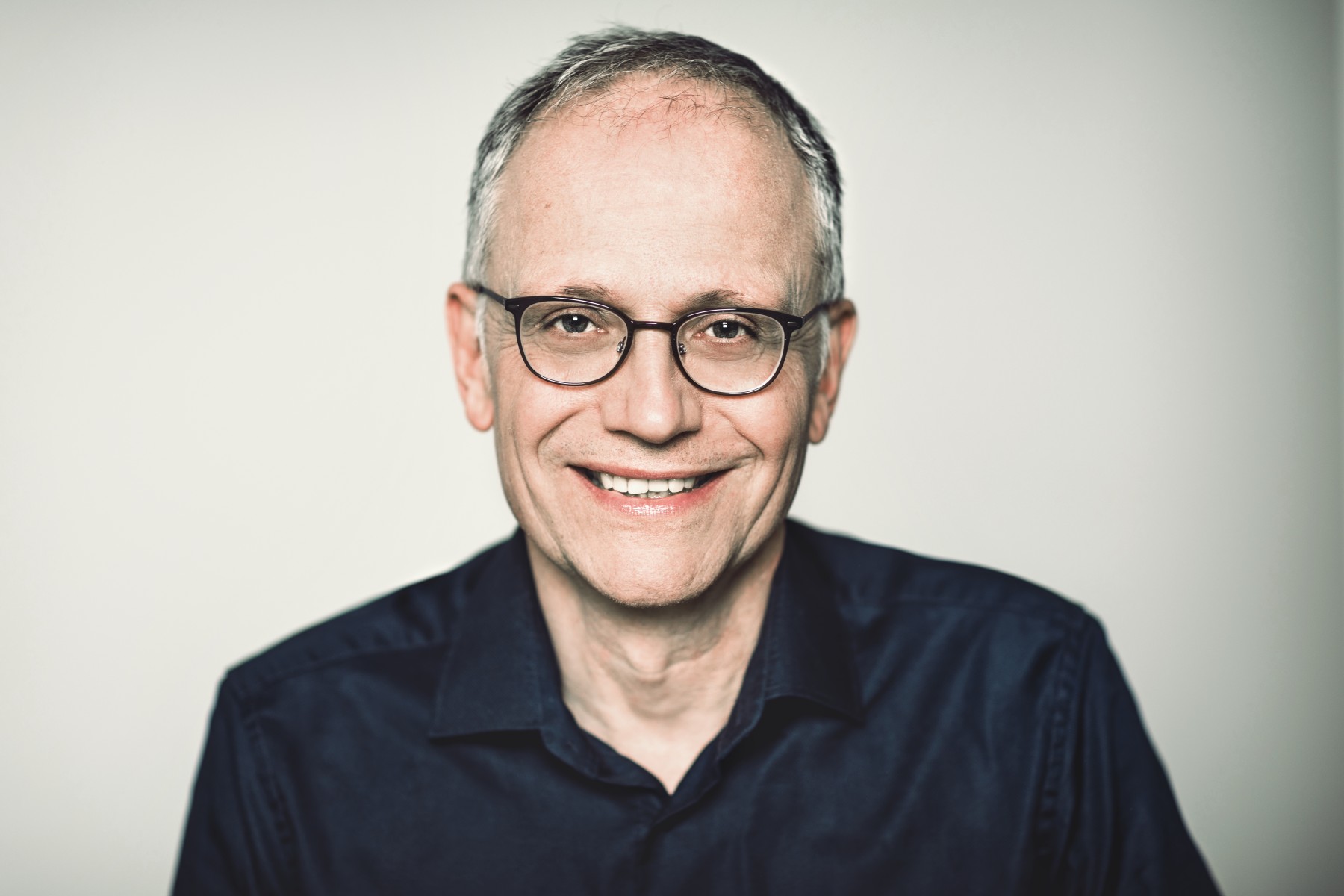
"In view of the glaring shortage of skilled workers in Germany, these are frightening figures, especially because more than half of those surveyed said they had already been able to productively apply the knowledge they had acquired in their studies at work. Employers are missing out on a huge potential of expertise and, of course, the opportunity to strengthen the motivation and loyalty of their employees," says Prof. Dr Holger Sommerfeldt, Rector of IU International University of Applied Sciences (IU).
Almost two thirds of those surveyed (60.4 percent) finance their distance learning mainly through their own employment; for 14.9 percent, their family or private sphere takes over the financial responsibility. Less than one in ten (6.7 percent) say that their employer provides or has provided the main funding. However. the lack of support is not only due to companies: nearly half (49.1 percent) of those who generally receive no support from their employer don't want an
Among the respondents who do receive support from their employer (29.2 percent - see above), organisational support, such as "more flexible working hours" or "planning security for exam dates" was cited most frequently by respondents, at 51.6 percent. At 48.2 percent, "support of time" was cited second most frequently. It is interesting to note that as many as one-third (36.9 percent) mentioned psychological support, for example in the form of praise, appreciation and recognition, from their employer.
Being happy - one of the main reasons for career change
If the respondents would like to make a career change, the financial aspect is - unsurprisingly - in first place (38.5 percent). But respondents also want a higher position (36.2 percent) and more responsibility (28.2 percent).
The desire for professional fulfillment, i.e. for a job that makes people happy, is also high. As many as 26.8 percent would like to make a career change for this reason.
Learning takes place at the weekend or during prime time
The time factor plays a particularly important role in (part-time) distance learning. Almost half (47.2 percent) of those surveyed said they could devote around 11 to 20 hours a week to learning. About 16.0 percent of respondents can devote 21 to 30 hours to learning, but only 7.3 percent can invest more than 30 hours per week. Accordingly, many respondents tend to have capacity for part-time study.
Students are most likely to study on weekends (71.7 percent). However, students also make use of free time in the early evening (from 6 p.m.) (50.1 percent) or in the late evening (from 8 p.m.) (45.9 percent). Only 16.7 percent study all day. In addition, some students use every free minute, such as the lunch break (12.4 percent) or the drive to work (9.4 percent).
"The time required for distance learning is often underestimated - creating a discrepancy between the chosen time model and the actual time available. To prevent this and to find a study model that fits the student's life situation, good advising must begin before the student starts studying", Sommerfeldt emphasises.
ABOUT THE STUDY
The Trend Study Distance Learning 2023 by IU International University of Applied Sciences is the sixth expenditure of the Germany-wide largest inquiry to the life and study conditions of distance students. For this, 6,751 persons were polled in October and November 2022. Not only the opinions of students in distance learning courses are inquired in the trend study, but also the opinions of alumni, prospective customers and dropouts from distance learning courses. The study therefore offers a comprehensive view of the subject area.
The white paper on the 2023 trend study is available here.
With over 120,000 students, IU International University of Applied Sciences (IU) is the largest university in Germany. The private, state-recognised educational institution, based in Erfurt, began teaching in 2000 and now has 24 campuses as well as a virtual campus. IU stands for maximum flexibility in study: whether through dual study, distance learning or on campus – students from over 160 nations tailor their educational path to suit their individual circumstances. With more than 200 degree programmes at bachelor’s, master’s and MBA level, IU imparts practical skills. Innovative learning concepts foster targeted, future-proof skills for an increasingly AI-driven world of work. A modern, digitally supported learning environment and the use of artificial intelligence enable effective, personalised learning. As a pioneer in this field, IU has developed its own digital learning companion, ‘Syntea’, which has been in use since 2023. A network of over 15,000 companies – including Motel One, Vodafone, AWO and Deutsche Bahn – makes IU a strong partner in the training of skilled workers and consistently links academic teaching with practical experience. Further information at: iu.org